
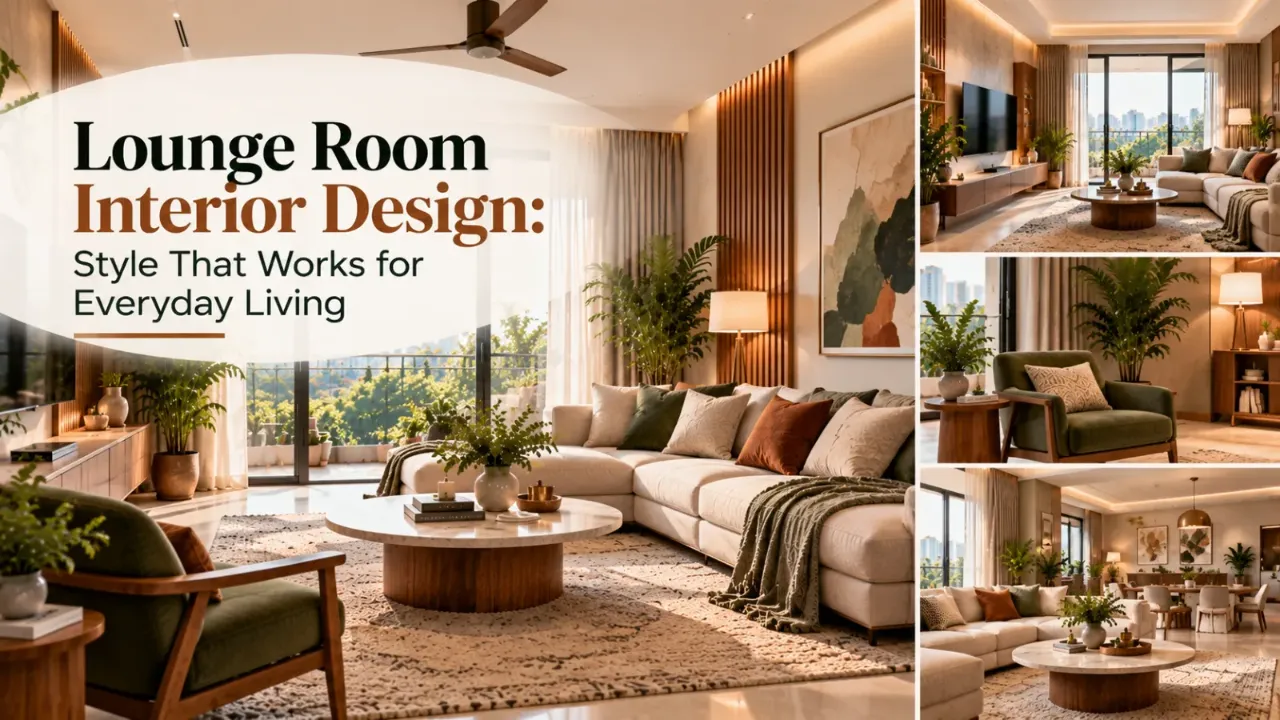
Lounge Room Interior Design: Style That Works for Everyday Living
A lounge room should be more than an attractive space to photograph. It is where people unwind after a long day, entertain guests, watch television, read, spend time with family and sometimes work. A successful design brings these activities together without making the room feel crowded or compromising comfort.
The challenge is that lounge room inspiration often focuses on appearance: sculptural sofas, statement coffee tables, dramatic wall finishes and carefully styled accessories. These elements can create a beautiful interior, but they need to work with the room's dimensions, the household's routines and the available budget.
The best lounge room interior design balances visual appeal with everyday function. It considers how furniture fits, how people move, where lighting is needed, how storage is handled and which finishes are practical to maintain.
Quick answer: Start with the room's main activities and dimensions. Plan furniture placement and circulation before selecting colours or decorative features. Combine comfortable seating, useful lighting, practical storage and a coordinated palette, then add textures and accessories that enhance the room without overwhelming it.
1. Define How You Want to Use the Lounge Room
Before choosing furniture or finishes, identify the activities your lounge room needs to support. A room used mainly for relaxing and watching television will have different requirements from one designed for entertaining guests or accommodating a family gathering.
Some homes use the lounge room as a multipurpose space for reading, working, playing or dining. Others have a separate formal living room and a more casual lounge area.
Make a list of the room's primary activities and decide which should take priority. This helps you avoid filling the space with furniture that looks attractive but does not support how you live.
- How many people usually use the room at the same time.
- Whether you need a television or dedicated entertainment area.
- Whether guests need additional seating.
- Whether children or pets influence your furniture and fabric choices.
- Whether the room needs a reading corner, workspace or extra storage.
- How much natural light and privacy the space receives.
A clear purpose gives every later decision a practical foundation.
2. Plan the Furniture Layout Before Buying Anything
Furniture placement has a greater impact on everyday comfort than many decorative choices. Even expensive furniture can make a lounge room feel awkward if it blocks movement or leaves insufficient space for people to sit comfortably.
Start by measuring the room, including doors, windows, columns, wall projections and existing electrical points. Mark the approximate dimensions of the main furniture pieces before committing to a layout.
Arrange the seating around the room's main focal point, such as a television, a view, a fireplace where applicable or a central conversation area. Make sure the arrangement allows people to interact without forcing them to twist awkwardly or navigate around furniture.
- There is a clear route through the room.
- Seating is proportionate to the available floor area.
- Doors, windows and cupboards remain accessible.
- The coffee table is easy to reach from the main seats.
- Side tables and lamps can be used comfortably.
- The television, if included, can be viewed from the intended seating positions.
Avoid buying a sofa based only on showroom appearance. Check its actual dimensions, seat depth, height and comfort, as well as how it will fit through the entrance and into the room.
3. Choose Seating That Balances Comfort and Appearance
Seating is often the largest investment in a lounge room, both visually and financially. It should complement the design while providing appropriate support and comfort for the people who use it.
A large sectional sofa can work well in a spacious room or a family lounge, but it may dominate a compact space. A smaller sofa paired with movable chairs can offer greater flexibility where the layout needs to accommodate different activities.
When choosing seating, consider:
- Seat depth and back support.
- The number of people you need to accommodate.
- Fabric durability and cleaning requirements.
- Whether the shape fits the room's layout.
- The space required for movement around the furniture.
- How the upholstery colour works with walls, flooring and other furnishings.
You do not need every seating piece to match exactly. A coordinated combination of a sofa, occasional chair and complementary cushions can create a more relaxed look while keeping the overall design connected.
Prioritise comfort and suitable proportions over a trend that may not work for your household.
4. Create a Cohesive Colour Scheme
Colour helps establish the atmosphere of a lounge room. Soft neutrals can provide a quiet backdrop, earthy shades can introduce warmth, and deeper colours can add contrast or create a more dramatic setting.
Begin with the existing elements that are expensive or difficult to change, such as flooring, large furniture and fixed finishes. Then choose wall colours, fabrics and accents that work with them.
- Base colour: Used on larger surfaces or dominant pieces.
- Supporting colour: Repeated through upholstery, curtains or rugs.
- Accent colour: Introduced through artwork, cushions, lamps or selected decorative objects.
The palette does not need to follow a rigid formula. The purpose is to prevent colours from competing and help the room feel intentional.
Consider how the palette changes throughout the day. Natural light, warm bulbs and cool lighting can alter the appearance of paint and fabric. Test samples in the actual room before committing to a large purchase.
5. Use Lighting to Support Different Activities
A lounge room often serves several purposes, so one central ceiling light may not provide everything the space needs.
- Ambient lighting provides general illumination.
- Task lighting supports reading, hobbies or other activities.
- Accent lighting highlights artwork, architectural details or selected surfaces.
For example, a lounge room might combine ceiling lights with a floor lamp beside an armchair and a table lamp near the sofa. If the room includes a television, plan lighting to minimise distracting reflections and glare.
The placement of lights matters as much as their appearance. Ensure switches are convenient, lamps can be reached comfortably and cables do not create trip hazards.
If you are planning concealed lighting or additional electrical points, coordinate them with the furniture layout before installation. This reduces the chance of placing a light where it cannot be used effectively.
6. Introduce Textures Without Making the Room Feel Busy
Texture adds depth and interest, especially when the colour palette is relatively restrained. Wood, woven fabrics, upholstery, stone, glass, metal and textured wall finishes can all contribute to a layered interior.
The key is to create contrast without introducing too many competing elements.
For example, a simple sofa can be paired with a textured rug, a wooden coffee table and cushions in complementary fabrics. A smooth wall can be balanced with artwork or a subtle textured finish rather than several decorative treatments at once.
When combining materials, think about their colours, finishes, cleaning requirements and suitability for daily use. You do not need a different finish on every surface. Repeating a few materials across the room can create a stronger sense of continuity.
7. Add Storage Without Making It the Main Feature
Everyday objects can quickly make a lounge room look untidy. Remote controls, books, chargers, children's items and occasional-use accessories all need somewhere to go.
Plan storage according to what you actually use. A media unit may conceal electronic equipment, a sideboard can store board games or tableware, and a small cabinet can help keep frequently used items organised.
In a compact lounge room, consider furniture that combines functions, such as a storage ottoman or a coffee table with a shelf. However, multipurpose furniture should remain convenient to use rather than adding unnecessary bulk.
Open shelves can display books and personal objects, but leaving some space empty helps the arrangement feel deliberate. Closed storage is useful for items you want accessible but not always visible.
The objective is not to hide everything. It is to give everyday belongings a clear place so the room remains comfortable and easy to maintain.
8. Choose a Focal Point and Keep Decor Selective
A lounge room often feels more cohesive when it has one clear focal point. This might be the main seating arrangement, a television wall, a large artwork, a view or a distinctive piece of furniture.
Once the focal point is established, let the surrounding elements support it. If the wall treatment is visually strong, keep nearby accessories relatively restrained. If the furniture is simple, artwork, lighting or cushions can introduce character.
Decorative mirrors, plants, vases, framed photographs and sculptural objects can all add personality. Select them according to the room's scale and the atmosphere you want to create.
Avoid placing several large statement features next to one another. They can compete for attention and make the room feel cluttered.
Leave some surfaces and wall areas relatively open. Negative space helps the chosen features stand out and makes the room easier to use.
9. Consider Curtains, Rugs and Window Placement
Window treatments and rugs have a significant effect on how a lounge room looks and functions. Curtains can provide privacy and light control, while rugs can visually connect the seating arrangement.
Choose curtain fabrics according to daylight, privacy, maintenance and the amount of light you want to retain. Check the available wall space and the location of furniture before finalising curtain tracks or rods.
When selecting a rug, consider the dimensions of the seating area, the furniture legs and the routes people use to move through the room. A rug that is too small may make the furniture arrangement feel disconnected, while an oversized one may overwhelm a compact space.
Also consider window access and ventilation. Furniture should not make windows difficult to open or block useful daylight unnecessarily.
10. Balance Design Choices With Your Budget
A lounge room can be improved without replacing every item. The most effective changes depend on what the room currently lacks.
- Essentials: Comfortable seating, functional lighting, safe circulation and necessary storage.
- Useful upgrades: Rugs, curtains, side tables, improved lighting controls or selected furniture changes.
- Optional finishing touches: Statement accessories, decorative wall treatments and additional styling pieces.
Set a budget for the room and include delivery, installation and any associated electrical or finishing work. Compare complete specifications rather than choosing products by price alone.
If you are uncertain about the look or likely cost, use the Walls to Wonder Interior Design Cost Estimate to explore a preliminary budget before making major purchases. Visualisations and estimates are planning aids, not substitutes for actual measurements or supplier quotations.
11. Review the Room Before Finalising the Design
Before completing the room, look at the layout as a whole rather than judging each item individually.
Check that seating is comfortable, walkways are clear, lighting suits different activities and storage is accessible. Make sure colours and textures complement one another and that decorative elements do not obstruct practical use.
- Does the room support the activities it was designed for?
- Can people move around without difficulty?
- Is there enough seating for everyday needs?
- Are lighting and storage practical?
- Does the furniture suit the room's proportions?
- Is the overall style consistent without feeling overly coordinated?
If something feels wrong, revisit the layout before adding more decor. Sometimes moving one piece of furniture or removing an unnecessary item can improve the room more than another purchase.
To explore a visual concept, try Design My Room by Walls to Wonder. If you already have a furnished room, Rate My Room Design can offer suggestions on layout, colour, lighting, furniture placement and decor.
Use these tools for inspiration and planning, then confirm dimensions, product specifications and costs separately.
A Final Thought
Good lounge room interior design is not about choosing the most fashionable furniture or filling every corner with decorative details. It is about creating a space that looks considered, feels comfortable and supports the way you live.
Start with the room's purpose, plan the layout carefully and choose furniture, lighting, colours and textures that work together. When function leads the planning and style shapes the finishing touches, the lounge room becomes a welcoming part of the home rather than a space that only looks good in photographs.
Plan a Lounge Room That Works for You
Explore a room concept, review your existing layout and estimate your budget before making major furniture or finish decisions.
Explore Design My Room · Review Your Room Design · Estimate Your Interior Budget
Frequently Asked Questions
1. How do I design a lounge room that looks good and functions well?
Start by defining the room's main activities, measuring the available space and planning furniture placement. Then select comfortable seating, useful lighting, suitable storage and a coordinated colour scheme.
2. Which furniture is essential in a lounge room?
The essentials depend on how the room is used, but most lounge rooms need comfortable seating, suitable tables and appropriate lighting. Storage and entertainment furniture may also be necessary depending on household requirements.
3. How can I make a small lounge room feel more spacious?
Choose furniture proportionate to the room, maintain clear walkways, use storage thoughtfully and avoid too many statement pieces. Suitable lighting and a coordinated palette can also help the space feel more open.
4. How should I choose colours for a lounge room?
Consider the existing flooring, furniture, daylight and atmosphere you want. Establish a base palette, introduce supporting shades and use a few accents to create contrast without overwhelming the room.
5. How can I decorate a lounge room on a budget?
Start with the biggest functional issue. Rearrange furniture, improve lighting, update curtains or cushions, introduce a suitable rug or organise clutter before committing to expensive furniture or fixed decorative features.
6. What lighting works best in a lounge room?
A combination of ambient, task and accent lighting usually offers more flexibility than one central light alone. Select fixtures and bulb settings according to the room's activities, layout and desired atmosphere.
Turn this idea into a plan for your home
Visualise your space, understand the likely budget, or find a professional who can bring the idea to life.